By DeWayne Wickham
Donald Trump isn’t a birther, he’s just pimping off of them.
Recently the surreality show host and billionaire blowhard has been making the rounds of TV talk shows parroting the long ago debunked assertion that President Obama was born in the African nation of Kenya — not the state of Hawaii.
If true, which it isn’t, that would make Obama ineligible to be president. To give this stale “odor of mendacity” a fresh whiff, Trump announced with a straight face on NBC’s “Today” that he’s dispatched his own investigators to Hawaii to ferret out his version of the truth about Obama’s birthplace.
“I have people that actually have been studying it and they cannot believe what they are finding,” he said about the birth records Hawaii officials have for Obama. Trump, who hosts Celebrity Apprentice — the Peacock network’s top rated show — got away with that conspiracy theorist tease during an interview with NBC’s Today show host Meredith Vieira without being asked what his sleuths found.
Nevermind that both Hawaii’s current governor, Democrat Neil Abercrombie, and his predecessor, Republican Linda Lingle, have said state records show Obama was born in Hawaii. Trump persists in demanding that the president personally satisfy him that he was born in America.
“If he weren’t lying why wouldn’t he just solve it?” Trump said on the Today show. “I would like to have him show his birth certificate.”
Why Trump is doing this is unclear. He wraps his questions about the authenticity of Obama’s official birth record with chest-thumping talk of how he might run for president to save us from Obama’s mismanagement of the nation’s affairs. But that decision won’t come before this season’s final episode of his TV show airs in late May. To enter the race sooner wouldn’t be fair to NBC, which has to take his TV show off the air once he becomes a presidential candidate. Now that’s a guy who has his priorities in the right order. Right?
Of course, the other possibility is that by fanning the flames of the birther movement, Trump is using this issue to build an even larger audience for his NBC show with appearances on other broadcast and cable networks that are being duped into treating what he says as something that is newsworthy.
It isn’t.
However, Trump’s harangue about Obama’s birth record appears to have made him the darling of a sizeable chunk of would-be Republican Party primary voters. He’s tied for second place (17%) with former Arkansas governor Mike Huckabee in a recent NBC/Wall Street Journal survey of GOP voters who were asked who they favored for the party’s presidential nomination. Mitt Romney, the ex-Massachusetts governor, finished first with the support of 21% of the respondents.
I suspect Trump is, at heart, neither a Republican nor a birther. He’s a mountebank — a flamboyant and deceptive hawker of his own interests. He’s a guy who has managed to amass enormous wealth while attaching his name to multimillion dollar real estate deals that went bad and billion-dollar casinos that ended up in bankruptcy.
In a recent letter to The New York Times, Trump accused the media of shielding Obama from the charge that he is not an American citizen. “What they don’t realize is that if he was not born in the United States ,” he said, “they would have uncovered the greatest ‘scam’ in the history of our country.”
But, in truth, the great scam journalists and others in the media have yet to uncover is the one that keeps Donald Trump in the national spotlight.
Tuesday, April 12, 2011

Tuesday, April 5, 2011
Exile may not be a good option for Moammar Ghadafi; just ask Charles Taylor
By DeWayne Wickham
Now that the U.S.-led air war has failed to produce a quick collapse of Moammar Gadhafi’s government, and his forces are beating back the advances of Libya’s feckless rebels, the word “exile” is being bandied about as something Gadhafi is seriously considering.
Uganda says it will give him exile. Italy is contemplating it, too, for Gadhafi and his family. Even Hillary Clinton, secretary of State, and Susan Rice, the U.S. ambassador to the United Nations, have said allowing Gadhafi to go off into exile might be necessary to stop the bloodshed.
But nobody is saying exile will guarantee Gadhafi immunity from prosecution. And without an assurance that he won’t end up like former Liberian president Charles Taylor, whose three-year war crimes trial just ended, it’s a good bet Gadhafi will fight on until the bitter end. Taylor went into exile in 2003 as part of a deal to end Liberia’s 14-year-old civil war.
But three years later, he was handed over to a special international court for prosecution for his support of the bloody civil war in Sierra Leone, which borders Liberia. Taylor faces the possibility of life in prison, a fate he didn’t contemplate when he agreed to go into exile in Nigeria.
Gadhafi, who many people think is delusional, would have to be out of his mind to accept an exile offer that leaves open the possibility that he, too, will be hauled before an international tribunal. But that’s exactly what the U.S. seems to want in the not-so-small print of any exile deal.
“Exile may be an option that he looks at, and obviously that’s not one t hat we would rule out,” Rice told CBS News last month. “But very importantly, from the point of view of the United States and the international community, is accountability and justice for the crimes he and those closest to him have committed,” she quickly added.
If that doublespeak is meant to lure Gadhafi out of Libya and into the docket of an international court, it probably won’t work with the Libyan leader. And worse, it will make many of the world’s other dictators work harder to suppress dissent, rather than give in to it.
Nobody knows this better than Charles Stith, the former U.S. ambassador to Tanzania, who now heads the African Presidential Archives and Research Center at Boston University, which studies democracy movements in Africa.
“One of the difficulties in negotiating any settlement to get (Gadhafi) to leave voluntarily has to be viewed against the backdrop of what happened to Charles Taylor,” Stith told me. “Unless these guys have a way to transition out that doesn’t amount to suicide, you don’t have a way to talk them into giving up power without a struggle.”
Put another way, the international community has to decide whether holding out for an exile agreement that gives it the chance to eventually lock up Gadhafi for the rest of his life is worth it while the fighting — and dying — continues in Libya. It has to determine whether demanding that Gadhafi succumb to such a deal will make it easier, or harder, for it to dislodge despots in other countries where the humanitarian crisis is greater than what the people of Libya face.
Short of a decision — which the U.S. and its allies have disavowed — to try to kill Gadhafi, something must be done quickly to end the carnage in Libya. And as hard as it is for many to swallow, an offer of exile that includes immunity from prosecution for Gadhafi could be what it takes.
Now that the U.S.-led air war has failed to produce a quick collapse of Moammar Gadhafi’s government, and his forces are beating back the advances of Libya’s feckless rebels, the word “exile” is being bandied about as something Gadhafi is seriously considering.
Uganda says it will give him exile. Italy is contemplating it, too, for Gadhafi and his family. Even Hillary Clinton, secretary of State, and Susan Rice, the U.S. ambassador to the United Nations, have said allowing Gadhafi to go off into exile might be necessary to stop the bloodshed.
But nobody is saying exile will guarantee Gadhafi immunity from prosecution. And without an assurance that he won’t end up like former Liberian president Charles Taylor, whose three-year war crimes trial just ended, it’s a good bet Gadhafi will fight on until the bitter end. Taylor went into exile in 2003 as part of a deal to end Liberia’s 14-year-old civil war.
But three years later, he was handed over to a special international court for prosecution for his support of the bloody civil war in Sierra Leone, which borders Liberia. Taylor faces the possibility of life in prison, a fate he didn’t contemplate when he agreed to go into exile in Nigeria.
Gadhafi, who many people think is delusional, would have to be out of his mind to accept an exile offer that leaves open the possibility that he, too, will be hauled before an international tribunal. But that’s exactly what the U.S. seems to want in the not-so-small print of any exile deal.
“Exile may be an option that he looks at, and obviously that’s not one t hat we would rule out,” Rice told CBS News last month. “But very importantly, from the point of view of the United States and the international community, is accountability and justice for the crimes he and those closest to him have committed,” she quickly added.
If that doublespeak is meant to lure Gadhafi out of Libya and into the docket of an international court, it probably won’t work with the Libyan leader. And worse, it will make many of the world’s other dictators work harder to suppress dissent, rather than give in to it.
Nobody knows this better than Charles Stith, the former U.S. ambassador to Tanzania, who now heads the African Presidential Archives and Research Center at Boston University, which studies democracy movements in Africa.
“One of the difficulties in negotiating any settlement to get (Gadhafi) to leave voluntarily has to be viewed against the backdrop of what happened to Charles Taylor,” Stith told me. “Unless these guys have a way to transition out that doesn’t amount to suicide, you don’t have a way to talk them into giving up power without a struggle.”
Put another way, the international community has to decide whether holding out for an exile agreement that gives it the chance to eventually lock up Gadhafi for the rest of his life is worth it while the fighting — and dying — continues in Libya. It has to determine whether demanding that Gadhafi succumb to such a deal will make it easier, or harder, for it to dislodge despots in other countries where the humanitarian crisis is greater than what the people of Libya face.
Short of a decision — which the U.S. and its allies have disavowed — to try to kill Gadhafi, something must be done quickly to end the carnage in Libya. And as hard as it is for many to swallow, an offer of exile that includes immunity from prosecution for Gadhafi could be what it takes.
Tuesday, March 29, 2011
Ivory Coast dictator gets away with murder while U.S. attacks Gadhafi's forces in Libya
By DeWayne Wickham
In the run-up to the war the United States is waging against the forces of Libyan leader Moammar Gadhafi, the drumbeat for this fight was a call for action to stop the dictator from committing atrocities against his own people.
“When the entire international community almost unanimously says that there is a potential humanitarian crisis about to take place, we can’t simply stand by we have to take some sort of action,” President Obama told reporters during his recent trip to Chile.
“This guy’s days are numbered,” Sen. John McCain, R-Ariz., said before American Tomahawk missiles rained down on Libya ’s air defenses. The question is can we shorten them even more “to save people’s lives because it’s clear he is going to kill whoever he thinks he can in order to stay in power,” the GOP’s 2008 presidential nominee said of Gadhafi.

And when the United Nations Security Council voted to authorize the imposition of a no-fly zone over Libyan airspace, it was acting, it said, “to protect civilians and civilian-populated areas under threat of attack” from Gadhafi’s forces, which had killed hundreds of people in its attempt to end anti-government demonstrations.
But when it comes to using America ’s military might to protect innocents, the Obama administration needs to explain why it has chosen to do so in the North African nation of Libya , while disavowing it in the Ivory Coast , a sub-Sahara African nation where a greater “potential humanitarian crisis” is unfolding.
Nearly 500 people have been killed by forces loyal to Laurent Gbagbo, the Ivory Coast president who lost a re-election bid in November but refuses to give up control. Many more people have been wounded in the fighting spawned by Gbagbo’s refusal to leave office. An estimated 500,000 have been displaced, and 90,000 more have fled the West African country, according to the Associated Press.

Recently, Gbagbo’s forces began attacking immigrants from neighboring African countries whose governments have refused to recognize his illegitimate regime. Some have been the victims of necklacing — a brutal practice in which a car tire filled with gasoline is forced over a person’s body and then ignited. When a group of unarmed women marched to protest Gbagbo’s power grab, an army tank fired upon them.
The violence in the Ivory Coast, a nation of nearly 22 million people, threatens to become a far bigger humanitarian crisis than the one the U.S. and its allies went to war to prevent in Libya, which has slightly less than 7 million people. But instead of threatening to use its military might to end the butchery in the Ivory Coast, the Obama administration says it “remains committed to finding a peaceful resolution” to that crisis.
“I don’t see a double standard; I think the U.S. is concerned about the Ivory Coast . I think it just wants the African Union to step up first,” said Melvin Foote, president of the Constituency for Africa, a Washington-based organization that works to build support for African causes in the United States .
He doesn’t, but I do.
In December, the African Union stepped up when it suspended the Ivory Coast from membership in the 53-nation organization after Gbagbo refused to accept the election results. He responded by ordering U.N. and French peacekeepers to leave to country and by imposing his own no-fly zone: He refused to let planes from the world body and France land in the Ivory Coast , while his forces wratched up attacks on his opponents.
If preventing a humanitarian crisis is the tripwire for American intervention, then U.S. Tomahawk missiles and war planes should have pummeled targets in the Ivory Coast long before they entered Libyan airspace.
In the run-up to the war the United States is waging against the forces of Libyan leader Moammar Gadhafi, the drumbeat for this fight was a call for action to stop the dictator from committing atrocities against his own people.
“When the entire international community almost unanimously says that there is a potential humanitarian crisis about to take place, we can’t simply stand by we have to take some sort of action,” President Obama told reporters during his recent trip to Chile.
“This guy’s days are numbered,” Sen. John McCain, R-Ariz., said before American Tomahawk missiles rained down on Libya ’s air defenses. The question is can we shorten them even more “to save people’s lives because it’s clear he is going to kill whoever he thinks he can in order to stay in power,” the GOP’s 2008 presidential nominee said of Gadhafi.

And when the United Nations Security Council voted to authorize the imposition of a no-fly zone over Libyan airspace, it was acting, it said, “to protect civilians and civilian-populated areas under threat of attack” from Gadhafi’s forces, which had killed hundreds of people in its attempt to end anti-government demonstrations.
But when it comes to using America ’s military might to protect innocents, the Obama administration needs to explain why it has chosen to do so in the North African nation of Libya , while disavowing it in the Ivory Coast , a sub-Sahara African nation where a greater “potential humanitarian crisis” is unfolding.
Nearly 500 people have been killed by forces loyal to Laurent Gbagbo, the Ivory Coast president who lost a re-election bid in November but refuses to give up control. Many more people have been wounded in the fighting spawned by Gbagbo’s refusal to leave office. An estimated 500,000 have been displaced, and 90,000 more have fled the West African country, according to the Associated Press.

Recently, Gbagbo’s forces began attacking immigrants from neighboring African countries whose governments have refused to recognize his illegitimate regime. Some have been the victims of necklacing — a brutal practice in which a car tire filled with gasoline is forced over a person’s body and then ignited. When a group of unarmed women marched to protest Gbagbo’s power grab, an army tank fired upon them.
The violence in the Ivory Coast, a nation of nearly 22 million people, threatens to become a far bigger humanitarian crisis than the one the U.S. and its allies went to war to prevent in Libya, which has slightly less than 7 million people. But instead of threatening to use its military might to end the butchery in the Ivory Coast, the Obama administration says it “remains committed to finding a peaceful resolution” to that crisis.
“I don’t see a double standard; I think the U.S. is concerned about the Ivory Coast . I think it just wants the African Union to step up first,” said Melvin Foote, president of the Constituency for Africa, a Washington-based organization that works to build support for African causes in the United States .
He doesn’t, but I do.
In December, the African Union stepped up when it suspended the Ivory Coast from membership in the 53-nation organization after Gbagbo refused to accept the election results. He responded by ordering U.N. and French peacekeepers to leave to country and by imposing his own no-fly zone: He refused to let planes from the world body and France land in the Ivory Coast , while his forces wratched up attacks on his opponents.
If preventing a humanitarian crisis is the tripwire for American intervention, then U.S. Tomahawk missiles and war planes should have pummeled targets in the Ivory Coast long before they entered Libyan airspace.
Tuesday, March 22, 2011
Jalen Rose should "man up" and admit the road to success has many on-ramps
By DeWayne Wickham
I wish Jalen Rose hadn’t said that. I wish he’d “man up” and take back the ugly thing he said about Grant Hill.
An ESPN Sports analyst and former NBA star, Rose is an executive producer of the “Fab Five,” the controversial ESPN documentary that has tongues wagging throughout the world of sports. Meant to tell the story of the five freshmen who took the University of Michigan’s basketball team to two consecutive NCAA title games, the documentary takes an ugly turn when Rose is seen on screen suggesting the black players on the Duke University team that defeated Michigan in the 1992 title game were “Uncle Toms.”
“For me, Duke was a person," Rose says in the documentary. “I hated Duke and I hated everything Duke stood for. Schools like Duke don't recruit players like me. I felt like they only recruited black players that were Uncle Toms.”
Hill, whose response to the documentary was published in The New York Times, said Rose seemed to be saying black athletes from two-parent families who went to Duke were lackeys for whites – which is what the term “Uncle Tom” has come to mean. The documentary’s characterization of Duke’s players was “a sad and somewhat pathetic turn of events,” Hill wrote.
Even worse than that, it is a message to young blacks that Rose needs to not just take back, but denounce.
I say this as someone who has a lot more in common with the childhood that drove Rose to utter that opinion, than the early life Hill lived. Rose was one of four kids raised in poverty by a single mother. He grew up poor in Detroit and never met his father. I was in the third grader in Baltimore when my parents died. I have precious few memories of either of them.
Their deaths split up me and my siblings. Members of my mother’s family divided us up among them based on how much of that burden they could afford to shoulder. One of my brothers and I were sent to live with an aunt who had six children of her own. Soon after we arrived her husband left the two-bedroom public housing unit we crowded into. I spend the next 20 of my life in subsidized housing.
Grant Hill grew up well off in a Virginia home with two successful parents. His father, Calvin Hill, was an NFL star running back. His mother was a lawyer. He lived a comfortable, upper middle-class life that led him to Duke University. Rose emerged from his impoverished childhood to attend the University of Michigan, which is hardly a third-rate degree mill.
Since the first airing of his documentary, Rose has offered a tepid explanation of the “Uncle Tom” label he brandishes in the documentary. He says that’s what he thought of the black Duke players in the 1990s, not what he thinks of them now. That’s not good enough.
He needs to say he was wrong at age 18 to have thought that of the Duke players. He ought to say that toxic label should be reserved for people who truly sellout the race, not those whose success opens real doors of opportunity for other blacks.
In the college basketball teams they played for, there is little real difference between Rose and Hill. Each belonged to a prestigious, mostly-white higher education institution. What Rose really needs say about the blacks who played alongside him at Michigan and against him at Duke – as I’ve learned in my life – is that the road to success has many on-ramps.
I wish Jalen Rose hadn’t said that. I wish he’d “man up” and take back the ugly thing he said about Grant Hill.
An ESPN Sports analyst and former NBA star, Rose is an executive producer of the “Fab Five,” the controversial ESPN documentary that has tongues wagging throughout the world of sports. Meant to tell the story of the five freshmen who took the University of Michigan’s basketball team to two consecutive NCAA title games, the documentary takes an ugly turn when Rose is seen on screen suggesting the black players on the Duke University team that defeated Michigan in the 1992 title game were “Uncle Toms.”
“For me, Duke was a person," Rose says in the documentary. “I hated Duke and I hated everything Duke stood for. Schools like Duke don't recruit players like me. I felt like they only recruited black players that were Uncle Toms.”
Hill, whose response to the documentary was published in The New York Times, said Rose seemed to be saying black athletes from two-parent families who went to Duke were lackeys for whites – which is what the term “Uncle Tom” has come to mean. The documentary’s characterization of Duke’s players was “a sad and somewhat pathetic turn of events,” Hill wrote.
Even worse than that, it is a message to young blacks that Rose needs to not just take back, but denounce.
I say this as someone who has a lot more in common with the childhood that drove Rose to utter that opinion, than the early life Hill lived. Rose was one of four kids raised in poverty by a single mother. He grew up poor in Detroit and never met his father. I was in the third grader in Baltimore when my parents died. I have precious few memories of either of them.
Their deaths split up me and my siblings. Members of my mother’s family divided us up among them based on how much of that burden they could afford to shoulder. One of my brothers and I were sent to live with an aunt who had six children of her own. Soon after we arrived her husband left the two-bedroom public housing unit we crowded into. I spend the next 20 of my life in subsidized housing.
Grant Hill grew up well off in a Virginia home with two successful parents. His father, Calvin Hill, was an NFL star running back. His mother was a lawyer. He lived a comfortable, upper middle-class life that led him to Duke University. Rose emerged from his impoverished childhood to attend the University of Michigan, which is hardly a third-rate degree mill.
Since the first airing of his documentary, Rose has offered a tepid explanation of the “Uncle Tom” label he brandishes in the documentary. He says that’s what he thought of the black Duke players in the 1990s, not what he thinks of them now. That’s not good enough.
He needs to say he was wrong at age 18 to have thought that of the Duke players. He ought to say that toxic label should be reserved for people who truly sellout the race, not those whose success opens real doors of opportunity for other blacks.
In the college basketball teams they played for, there is little real difference between Rose and Hill. Each belonged to a prestigious, mostly-white higher education institution. What Rose really needs say about the blacks who played alongside him at Michigan and against him at Duke – as I’ve learned in my life – is that the road to success has many on-ramps.
Tuesday, March 15, 2011
GOP wage "shock and awe" campaign is effort to unseat Obama
By DeWayne Wickham
If you’re anxious to see the 2012 presidential race get underway, don’t be fooled by slowness of Republican wannabes to officially enter the campaign. It’s already in high gear.
In their attempt to deny Democrat Barack Obama a second term in the White House, Republicans appear to be using the same “shock and awe” strategy employed by the U.S. military to confuse the forces of Saddam Hussein at the beginning of the Iraq War. While Saddam’s troops prepared to repel an American-led invasion, U.S. naval vessels fired hundreds of Tomahawk cruise missiles at key targets throughout Iraq.

The destruction of those targets crippled any chance Saddam had of putting up a good fight –before a major engagement between Iraqi and American forces was fought.
Republicans are employing a similar “shock and awe” campaign. And as with the targets hit by those Tomahawk missiles, the preemptive strikes the GOP is launching aren’t so much a direct attack on Obama as they are intended to destroy the base of his support before the 2012 presidential race formally begins.
Proof of this strategy surfaced in the wake of the attack Republicans launched against public employee unions in Wisconsin. With an effort now underway to recall eight of the Republican state senators who joined the GOP majority in passing a bill that stripped away most of these union’s bargaining rights, the state’s senate top Republican made it clear the GOP’s goal was to weaken those union’s ability to give financial support to Obama.
“If they flip the state Senate…they can take control of the labor unions. If we win this battle, and the money is not there under the auspices of the unions, certainly what you’re going to find is President Obama is going to have a much difficult, much more difficult time getting elected and winning the state of Wisconsin,” Senate President Scott Fitzgerald told Fox News.
Unions, Hispanics, minorities and college students are as essential to Obama’s reelection hopes as the targets destroyed by the Tomahawk attack was to Saddam Hussein’s survival.
While much of the nation’s attention was focused on the GOP’s attach on public employee unions in Wisconsin, Republicans were hurling their political missiles at Democratic targets in other states. In New Hampshire, the new GOP House speaker defended his party’s effort to pass a law that would make it difficult for many college students to register and vote.“They’re foolish,” William O’Brien told a Tea Party gathering because they’re “liberal” and “just vote their feelings.”
In fact, Republicans are using their legislative majorities in dozens of states to push legislation that would sharply curtail the ability of students and minorities – the Democrat Party base – to vote. In Florida, newly-elected Republican Gov. Rick Scott imposed a five-year waiting period before non-violent felons can vote after their release from prison. Asked why he did it, Scott offered this simple (if not simple-minded) explanation: “Seemed reasonable.”
In states like Georgia, Tennessee and Texas, Republicans are pushing anti-immigration bills that critics believe are meant to curb the growing voting strength of Hispanics.
If this strategy succeeds, any one of the frontrunners among the current crop of potential GOP presidential candidates would have their prospect of defeating Obama dramatically improved. As it stands now, former House Speaker Newt Gingrich, ex-governors Mitt Romney, Mike Huckabee and Tim Pawlenty are longshot presidential candidates.
To unseat Obama, the eventual Republican Party standard-bearer will need lawmakers in GOP-dominated state legislatures to largely succeed in their efforts to weaken the president’s base. Short of that, Obama’s road to victory will look a lot like the one American troops traveled to Baghdad.
If you’re anxious to see the 2012 presidential race get underway, don’t be fooled by slowness of Republican wannabes to officially enter the campaign. It’s already in high gear.
In their attempt to deny Democrat Barack Obama a second term in the White House, Republicans appear to be using the same “shock and awe” strategy employed by the U.S. military to confuse the forces of Saddam Hussein at the beginning of the Iraq War. While Saddam’s troops prepared to repel an American-led invasion, U.S. naval vessels fired hundreds of Tomahawk cruise missiles at key targets throughout Iraq.

The destruction of those targets crippled any chance Saddam had of putting up a good fight –before a major engagement between Iraqi and American forces was fought.
Republicans are employing a similar “shock and awe” campaign. And as with the targets hit by those Tomahawk missiles, the preemptive strikes the GOP is launching aren’t so much a direct attack on Obama as they are intended to destroy the base of his support before the 2012 presidential race formally begins.
Proof of this strategy surfaced in the wake of the attack Republicans launched against public employee unions in Wisconsin. With an effort now underway to recall eight of the Republican state senators who joined the GOP majority in passing a bill that stripped away most of these union’s bargaining rights, the state’s senate top Republican made it clear the GOP’s goal was to weaken those union’s ability to give financial support to Obama.
“If they flip the state Senate…they can take control of the labor unions. If we win this battle, and the money is not there under the auspices of the unions, certainly what you’re going to find is President Obama is going to have a much difficult, much more difficult time getting elected and winning the state of Wisconsin,” Senate President Scott Fitzgerald told Fox News.
Unions, Hispanics, minorities and college students are as essential to Obama’s reelection hopes as the targets destroyed by the Tomahawk attack was to Saddam Hussein’s survival.
While much of the nation’s attention was focused on the GOP’s attach on public employee unions in Wisconsin, Republicans were hurling their political missiles at Democratic targets in other states. In New Hampshire, the new GOP House speaker defended his party’s effort to pass a law that would make it difficult for many college students to register and vote.“They’re foolish,” William O’Brien told a Tea Party gathering because they’re “liberal” and “just vote their feelings.”
In fact, Republicans are using their legislative majorities in dozens of states to push legislation that would sharply curtail the ability of students and minorities – the Democrat Party base – to vote. In Florida, newly-elected Republican Gov. Rick Scott imposed a five-year waiting period before non-violent felons can vote after their release from prison. Asked why he did it, Scott offered this simple (if not simple-minded) explanation: “Seemed reasonable.”
In states like Georgia, Tennessee and Texas, Republicans are pushing anti-immigration bills that critics believe are meant to curb the growing voting strength of Hispanics.
If this strategy succeeds, any one of the frontrunners among the current crop of potential GOP presidential candidates would have their prospect of defeating Obama dramatically improved. As it stands now, former House Speaker Newt Gingrich, ex-governors Mitt Romney, Mike Huckabee and Tim Pawlenty are longshot presidential candidates.
To unseat Obama, the eventual Republican Party standard-bearer will need lawmakers in GOP-dominated state legislatures to largely succeed in their efforts to weaken the president’s base. Short of that, Obama’s road to victory will look a lot like the one American troops traveled to Baghdad.
Tuesday, March 8, 2011
Pastor's pastor not afraid of Bible thieves
By DeWayne Wickham
As soon as I heard about the passing of the Rev. Peter Gomes, I wondered how many Bible thieves he came across when he arrived in heaven. Whatever the number, I’m sure he was glad to see them.
Gomes, the longtime Harvard Divinity School professor of Christian morals, died a few days ago of complications from a stroke. His life spanned just 68 years, but his professed understanding of God and the Bible is the kind of knowledge that transcended a single lifetime — and challenged the orthodoxy of religious purists.

In The Good Book, a best-seller he wrote in 1996, Gomes told the story of how some of his colleagues reacted when an anonymous donor offered to fill the pews of The Memorial Church at Harvard with a gift of Bibles. They warned that putting The Holy Book throughout the sanctuary would be an invitation to steal them.
Disregarding that concern, Gomes accepted the Bibles, which he said over the years were “happily” lost to quite a few thieves.
That, in essence, was the nature of Gomes’ ministry. He was more pastor than preacher; more interpreter of The Good Book than a literal enforcer of its every word. He’d rather have someone come to church and steal a Bible than stay away and never explore its pages. But as important as the Bible was to him, Gomes realized the harmful impact of its misuse. He constantly warned of those who either “trivialize” or “idolize” the Bible. Both, he said, “miss its dynamic, living, and transforming quality.”
In fact, many of the world’s enduring conflicts are waged in the name of religion, with each party claiming to have God on its side.
But Gomes said God doesn’t pick the winners of wars, presidential elections, sports championships or music awards. When I asked him during a 1996 interview that I did for CBS News why people so often thank God when good things happen to them, Gomes turned the question on its head. “The great question is, ‘What happens when you lose?’ Did God abandon you, or did God cause you to lose? Or did God go over to the other side?” God, Gomes told me, doesn’t take sides.
A Massachusetts-born conservative Baptist, Gomes was nothing if not a contrarian. For much of his life he was a black Republican who in 1991 announced that he was gay. Fifteen years later, he became a Democrat and backed the election of Deval Patrick, Massachusetts’ first black governor.
A past president of the Pilgrim Society, Gomes spoke with the authority and cadence of a New England Yankee and the passion of a black intellectual — an emotion that was nurtured during his stint on the faculty of Tuskegee Institute in Alabama, one of the nation’s most prestigious black schools.
In a 60 Minutes interview in 1997, Gomes rocked the primacy of the spiritual beliefs of many in this country. God, he answered Morley Safer, is not an American; the Bible wasn’t written in English; and when Jesus returns, he will not likely show up in Tulsa or some other American city. Gomes’ religious beliefs had no patriotic anchor and established no supremacy of one secular group of people over another.
In this life, he believed, those who would steal a Bible from church were just as likely to find a place in heaven as the people who worried that stocking pews with The Good Book would tempt a sinner to take one.
I'm the next one, I hope he’s proven right.
As soon as I heard about the passing of the Rev. Peter Gomes, I wondered how many Bible thieves he came across when he arrived in heaven. Whatever the number, I’m sure he was glad to see them.
Gomes, the longtime Harvard Divinity School professor of Christian morals, died a few days ago of complications from a stroke. His life spanned just 68 years, but his professed understanding of God and the Bible is the kind of knowledge that transcended a single lifetime — and challenged the orthodoxy of religious purists.

In The Good Book, a best-seller he wrote in 1996, Gomes told the story of how some of his colleagues reacted when an anonymous donor offered to fill the pews of The Memorial Church at Harvard with a gift of Bibles. They warned that putting The Holy Book throughout the sanctuary would be an invitation to steal them.
Disregarding that concern, Gomes accepted the Bibles, which he said over the years were “happily” lost to quite a few thieves.
That, in essence, was the nature of Gomes’ ministry. He was more pastor than preacher; more interpreter of The Good Book than a literal enforcer of its every word. He’d rather have someone come to church and steal a Bible than stay away and never explore its pages. But as important as the Bible was to him, Gomes realized the harmful impact of its misuse. He constantly warned of those who either “trivialize” or “idolize” the Bible. Both, he said, “miss its dynamic, living, and transforming quality.”
In fact, many of the world’s enduring conflicts are waged in the name of religion, with each party claiming to have God on its side.
But Gomes said God doesn’t pick the winners of wars, presidential elections, sports championships or music awards. When I asked him during a 1996 interview that I did for CBS News why people so often thank God when good things happen to them, Gomes turned the question on its head. “The great question is, ‘What happens when you lose?’ Did God abandon you, or did God cause you to lose? Or did God go over to the other side?” God, Gomes told me, doesn’t take sides.
A Massachusetts-born conservative Baptist, Gomes was nothing if not a contrarian. For much of his life he was a black Republican who in 1991 announced that he was gay. Fifteen years later, he became a Democrat and backed the election of Deval Patrick, Massachusetts’ first black governor.
A past president of the Pilgrim Society, Gomes spoke with the authority and cadence of a New England Yankee and the passion of a black intellectual — an emotion that was nurtured during his stint on the faculty of Tuskegee Institute in Alabama, one of the nation’s most prestigious black schools.
In a 60 Minutes interview in 1997, Gomes rocked the primacy of the spiritual beliefs of many in this country. God, he answered Morley Safer, is not an American; the Bible wasn’t written in English; and when Jesus returns, he will not likely show up in Tulsa or some other American city. Gomes’ religious beliefs had no patriotic anchor and established no supremacy of one secular group of people over another.
In this life, he believed, those who would steal a Bible from church were just as likely to find a place in heaven as the people who worried that stocking pews with The Good Book would tempt a sinner to take one.
I'm the next one, I hope he’s proven right.
Tuesday, March 1, 2011
Attack on Planned Parenthood could increase dangerous abortions
By DeWayne Wickham
How crazy is this? Abortion opponents in the House of Representatives and their allies among conservative activists want to stop Planned Parenthood from getting federal funds to provide family planning assistance to low-income women.
Their reasoning – their twisted logic – is that blocking Planned Parenthood from receiving federal support for the organization’s effort to prevent unintended pregnancies they will impair its ability to use its other funds for abortions. That was the motivation behind the House of Representatives recent vote to defund Planned Parenthood’s nationwide network of clinics.
It is “morally wrong to take the tax dollars of millions of pro-life Americans and use them to fund organizations that provide and promote abortions,” Rep. Mike Pence, R-Ind., said in a posting on his congressional website following passage of the amendment he offered to stop federal funds from going to Planned Parenthood.
Pence’s argument would be laughable if the damage his legislation could do, if it ever becomes law, wasn’t so frightening.
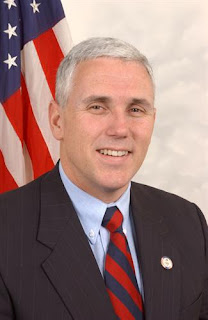
It’s Laughable because it is already illegal for federal money to be used to fund an abortion – and because If Pence really wants to dole out federal aid based on the level of support something receives from the American people, Spence should be a champion of a woman’s right to undergo an abortion. According to a 2010 Gallup Poll, a whopping 78% of Americans (28% under any circumstances; 54% under limited circumstances) think abortions should be legal? Just 19% said it should be illegal, a number that has not risen above 23% since Gallup first started asking Americans this question way back in 1975.
Pence’s disingenuous defense of his attack on Planned Parenthood is frightening because nearly half of all pregnancies in this country were not planned, and 40% of them end in abortion. Of the women who get an abortion, 61% have one or more children, and 45% have never been married and do not live with their sexual partner, And 75% of the women who have an abortion said they cannot afford a child, according to the Guttmacher Institute, which does research and policy analysis on reproductive sex and health issues.
Planned Parenthood, the nation’s largest provider of sex and reproductive health care services, also counsels women on the use of abstinence and contraceptives as ways to prevent unintended pregnancies. And for those women who chose to end an unintended pregnancy, it provides them a safe and affordable alternative to the backroom butchery that more women might turn to if Planned Parenthood goes out of business.
A doctor who performed abortions from his storefront office in a Philadelphia inner city neighborhood was arrested in January and charged with the death of a woman and seven infants. His alleged gruesome practice thrived on poor women who were desperate to end a pregnancy. An increasing number of women will end up in the clutches of a badly run abortion clinic if Pence’s crippling attack on Planned Parenthood succeeds.

Shortly after the Republican-dominated House passed Pence’s legislation by a vote of 240 to 185, anti-abortion billboards went up in Atlanta, Los Angeles and New York City as part of the Black History Month campaign to decry the disproportionately high number of abortions among black women. A spokesman for Life Always, the group behind the New York billboard, said it was meant to discredit Planned Parenthood.
But the people who deserve to be discredited are those who would kill off funding for Planned Parenthood. In doing so, they cynically undermine its efforts to reduce unintended pregnancies - a goal that should unite us, not divide us.
How crazy is this? Abortion opponents in the House of Representatives and their allies among conservative activists want to stop Planned Parenthood from getting federal funds to provide family planning assistance to low-income women.
Their reasoning – their twisted logic – is that blocking Planned Parenthood from receiving federal support for the organization’s effort to prevent unintended pregnancies they will impair its ability to use its other funds for abortions. That was the motivation behind the House of Representatives recent vote to defund Planned Parenthood’s nationwide network of clinics.
It is “morally wrong to take the tax dollars of millions of pro-life Americans and use them to fund organizations that provide and promote abortions,” Rep. Mike Pence, R-Ind., said in a posting on his congressional website following passage of the amendment he offered to stop federal funds from going to Planned Parenthood.
Pence’s argument would be laughable if the damage his legislation could do, if it ever becomes law, wasn’t so frightening.

It’s Laughable because it is already illegal for federal money to be used to fund an abortion – and because If Pence really wants to dole out federal aid based on the level of support something receives from the American people, Spence should be a champion of a woman’s right to undergo an abortion. According to a 2010 Gallup Poll, a whopping 78% of Americans (28% under any circumstances; 54% under limited circumstances) think abortions should be legal? Just 19% said it should be illegal, a number that has not risen above 23% since Gallup first started asking Americans this question way back in 1975.
Pence’s disingenuous defense of his attack on Planned Parenthood is frightening because nearly half of all pregnancies in this country were not planned, and 40% of them end in abortion. Of the women who get an abortion, 61% have one or more children, and 45% have never been married and do not live with their sexual partner, And 75% of the women who have an abortion said they cannot afford a child, according to the Guttmacher Institute, which does research and policy analysis on reproductive sex and health issues.
Planned Parenthood, the nation’s largest provider of sex and reproductive health care services, also counsels women on the use of abstinence and contraceptives as ways to prevent unintended pregnancies. And for those women who chose to end an unintended pregnancy, it provides them a safe and affordable alternative to the backroom butchery that more women might turn to if Planned Parenthood goes out of business.
A doctor who performed abortions from his storefront office in a Philadelphia inner city neighborhood was arrested in January and charged with the death of a woman and seven infants. His alleged gruesome practice thrived on poor women who were desperate to end a pregnancy. An increasing number of women will end up in the clutches of a badly run abortion clinic if Pence’s crippling attack on Planned Parenthood succeeds.

Shortly after the Republican-dominated House passed Pence’s legislation by a vote of 240 to 185, anti-abortion billboards went up in Atlanta, Los Angeles and New York City as part of the Black History Month campaign to decry the disproportionately high number of abortions among black women. A spokesman for Life Always, the group behind the New York billboard, said it was meant to discredit Planned Parenthood.
But the people who deserve to be discredited are those who would kill off funding for Planned Parenthood. In doing so, they cynically undermine its efforts to reduce unintended pregnancies - a goal that should unite us, not divide us.
Subscribe to:
Posts (Atom)